
Does It Make Sense to Spend One’s Life Teaching?
All teachers should ask: Are we doing something meaningful with our lives by teaching? If not, we can find some other work to do. If so, we can remind ourselves of why.

All teachers should ask: Are we doing something meaningful with our lives by teaching? If not, we can find some other work to do. If so, we can remind ourselves of why.

That awkward silence when teachers ask a question and no one answers can feel both negative and homogeneous. But is it? My perspective shifted when I asked my students about it and they gave me varied, reasonable answers for why they didn’t respond.

Dan Richards introduces the pioneering educational theorist John Dewey, making a case for the lasting value of his educational writings and theories, including Democracy and Education (1916), “My Pedagogic Creed” (1897), and the idea that, in whatever conditions we find ourselves teaching, we should seek to to make as much meaning as we can.

Many students spend too little time on learning. We should help those who need it learn how to manage their time and set priorities. We should also help, but in different ways, those whose difficult life situations put “time management” out of the question.
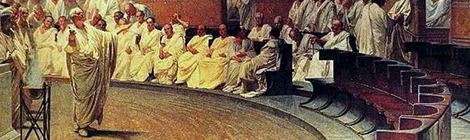
We often hear only the pro- and anti- positions in debates about lecturing. I want to advocate a more nuanced perspective: There is no such thing as lecturing. There are many different things that get lumped together under that one term.

If anyone tells you exactly how to teach based on research, they’re misusing the research. The research does not offer blueprints for how to teach, detailed instructions on what to do and how to do it. But it does offer maps. Using these maps requires certain skills.
 Teaching & Learning in Higher Ed.